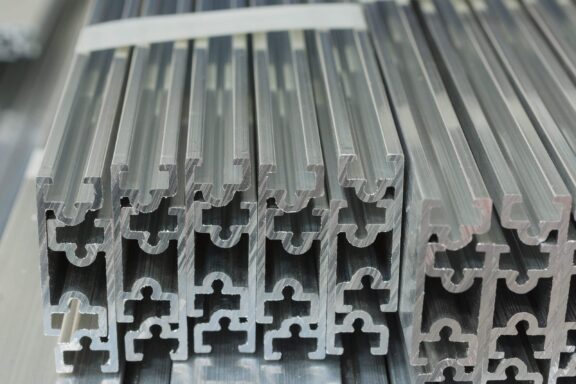
Aluminium residue can build up on extrusion dies, drawing tools, blanking dies and other tooling, affecting dimensional accuracy and the quality of subsequent production. Effective cleaning helps protect tool performance without damaging critical surfaces.
Where does aluminium residue build up?
Aluminium is widely used in extrusion, drawing, blanking and die-casting processes. During these operations, metal can transfer onto dies, punches and other tooling. If residue is allowed to build up, it can alter working surfaces and affect the dimensions and quality of finished components.
Why is removing aluminium residue important?
Deposits can change the geometry of a tool over time. In extrusion dies, residue can affect openings and the shape of the extruded product. On blanking tooling, deposits can affect cutting accuracy and edge quality.
What are the risks of mechanical cleaning?
Traditional methods such as abrasive wheels or blasting can be labour-intensive and require skilled operators. They can also risk damaging or altering the surface of the tooling, which may affect its performance.
How can ultrasonic cleaning help?
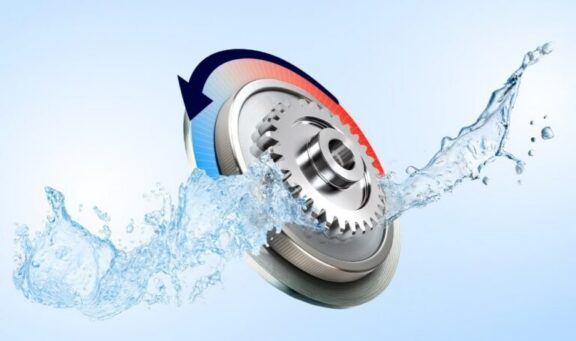
Ultrasonic cleaning immerses the tooling in a cleaning solution while high-frequency sound waves create cavitation. The resulting cleaning action can reach complex surfaces and help loosen stubborn residue without relying on aggressive mechanical abrasion.
Protect tooling performance
The cleaning method should be selected around the tooling material, geometry and contamination. A controlled, repeatable process can help reduce manual intervention while protecting the precision surfaces that are critical to production quality.