M4A Meccanica di Precisione already achieved high-quality cleaning of precision-machined components. By switching to Kleen35™, the company reduced energy consumption by 35% while maintaining cleaning performance and improving the working environment for operators.
-
35
%
lower energy consumption
-
55
%
faster heat-up time
The company and its needs
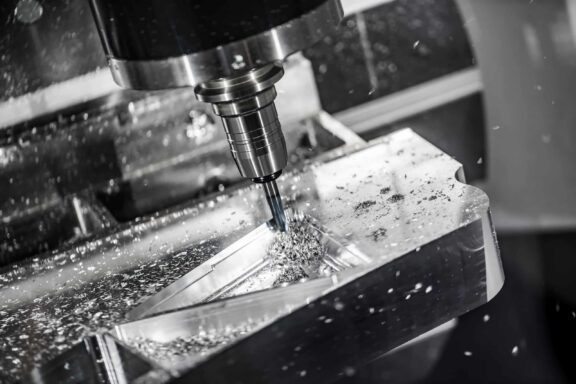
M4A Meccanica di Precisione specialises in precision machining for demanding applications including pneumatics, hydraulics, industrial automation and dimensional inspection equipment.
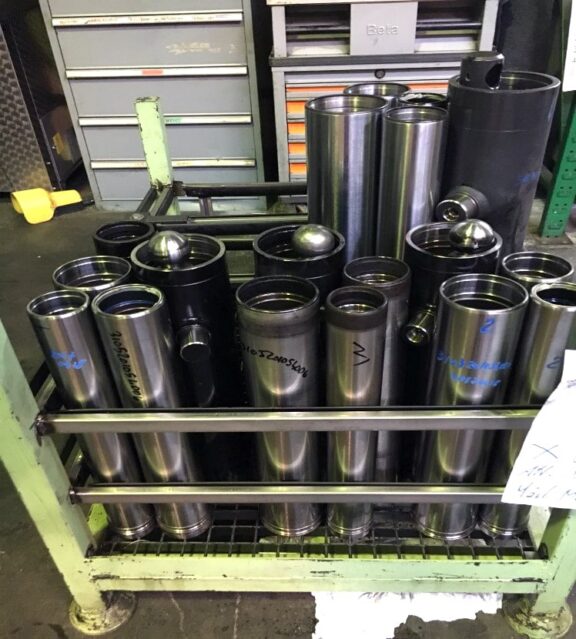
Its high production volumes require a fast, consistent and repeatable cleaning process before components move on to surface treatments such as anodising, nickel plating and zinc plating.
The company was using a standard water-based Safetykleen detergent in an automatic parts washer. While cleaning results were satisfactory, the process operated at 55–65°C, required an additional passivating agent and generated significant steam when the machine was opened.
The Safetykleen solution
Safetykleen introduced Kleen35™, a next-generation water-based detergent designed to operate effectively at 35°C. The same automatic parts washer could be retained, allowing M4A to improve the process without changing its existing equipment.
Kleen35™ incorporates an organic passivating agent into the formulation, removing the need for a separate high-concentration passivator. The formulation is also free from borates derived from boric acid and phosphates, with no CLP hazard symbol at use concentration.
Results
Consistent cleaning quality
Components, including aluminium parts destined for anodising, are cleaned consistently without residues that could affect subsequent surface treatments.
55% faster heat-up
Operating at 35°C enables the machine to reach working temperature up to 55% faster, helping M4A manage a high daily turnover of batches.
Improved operator comfort
Operating at the lower temperature produces up to five times less steam than operation at 65°C, improving visibility and comfort when the machine is opened.
35% lower energy consumption
The lower temperature requirement reduces electricity consumption by an average of 35%, lowering the operating cost and carbon impact of the cleaning process.