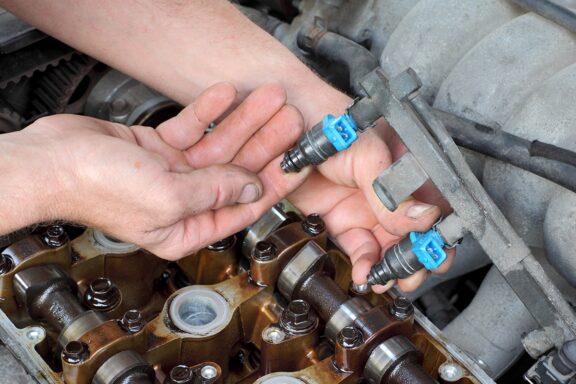
Fuel injectors operate under demanding conditions and can accumulate deposits that affect engine performance, fuel efficiency and reliability. Thorough cleaning helps restore injector cleanliness without relying solely on in-tank additives.
What do fuel injectors do?
Fuel injectors deliver petrol, diesel or LPG to the engine’s combustion system. The fuel is delivered under pressure and atomised before entering the cylinder, making injector condition important to efficient engine operation.
Why do injectors need cleaning?
Fuel and engine heat can contribute to deposits building up inside injectors. Partial blockage can affect the air-to-fuel ratio and lead to poor starting, hesitation, reduced performance, higher fuel consumption and increased emissions.
How should fuel injectors be cleaned?
Fuel-system additives can be used without removing the injectors, but workshops may prefer a dedicated parts cleaning process when a thorough clean is required. Parts washers can also be used for other engine and transmission components as part of routine maintenance.
Why use ultrasonic cleaning?
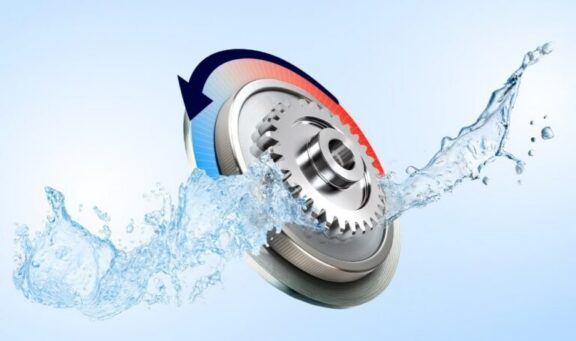
Injectors have complex geometries and small passages that can be difficult to clean manually. Ultrasonic cleaning immerses the component in cleaning solution and uses cavitation to create a cleaning action that reaches difficult areas.
A safer workshop cleaning process
High-pressure and ultrasonic parts washers can use water-based, non-flammable cleaning solutions that are designed to reduce VOC exposure compared with traditional solvent-based cleaning. Selecting the right machine and chemistry helps workshops clean consistently and efficiently.