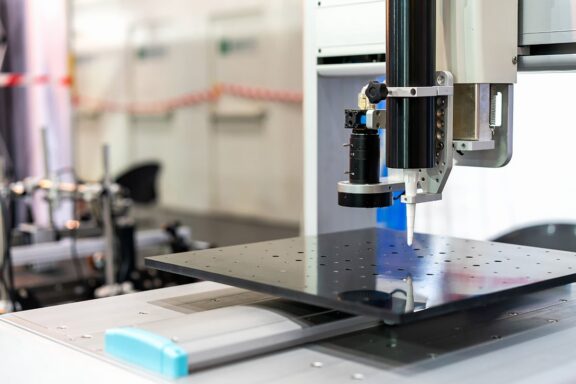
Hot melt adhesive systems operate at high temperatures and can accumulate hardened or carbonised adhesive around nozzles, guns, applicators and other components. Regular cleaning helps maintain application quality, prevent blockages and reduce unplanned downtime.
Why do hot melt systems need regular cleaning?
Hot melt adhesives are used in applications ranging from packaging and paper converting to automotive and textile production. Their short setting times support fast production, but adhesive residues can quickly build up on application equipment.
If residues are not removed, they can block injectors and nozzles, affect applicators and label heads, and contribute to equipment failure. Heat can also cause adhesive to degrade and form stubborn deposits that are difficult to remove.
Why can manual cleaning be inefficient?
Scraping and wiping with solvents are still common approaches, but they can be labour-intensive and introduce additional operator exposure. Manual methods can also struggle to reach complex internal surfaces.
How can ultrasonic cleaning help?
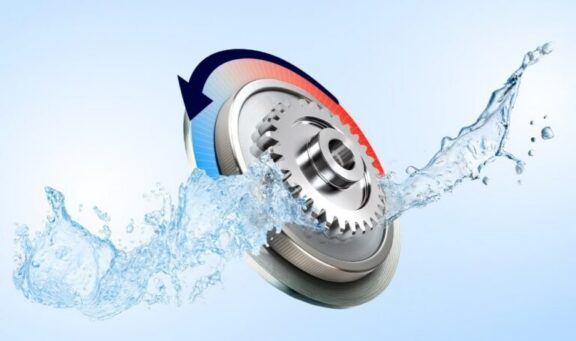
Ultrasonic parts washers immerse components in a cleaning solution while cavitation provides a mechanical cleaning action across the immersed surface. With a suitable chemistry, this can help soften and remove hot melt adhesives, including residues that have dried or hardened.
Improve productivity and operator safety
An ultrasonic cycle can run with limited operator intervention, allowing staff to carry out other tasks while components are being cleaned. Enclosed equipment and suitable water-based cleaning solutions can also reduce exposure to splashes and hazardous vapours.
Maintain hot melt equipment for consistent output
Regular, planned cleaning helps keep nozzles, guns, applicators and other components operating as intended. Matching the cleaning method to the adhesive and component can reduce blockages, protect equipment and support consistent application quality.