Operational efficiency in machinery manufacturing depends on reliable equipment, effective maintenance and consistent cleaning. A planned approach to component cleaning can help reduce downtime, protect quality and extend the useful life of production assets.
Why does maintenance affect operational efficiency?
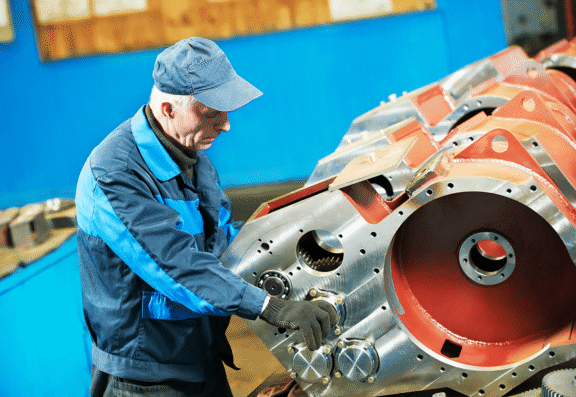
Regular preventive maintenance helps identify wear before it develops into a costly failure. Removing grease, oil, polymers, resins and other contaminants allows components to be inspected properly and reduces the risk of deposits affecting machine performance.
Clean production tools between set-ups
Cleaning is particularly important during production changeovers. Injection moulds, CNC tooling, paint guns and adhesive application nozzles can all accumulate residues that affect the next production run. Cleaning before storage or reuse can reduce set-up time and help maintain consistent output.
Support refurbishment and reuse
Machinery can accumulate difficult residues over months or years of use. Thorough cleaning can help restore equipment to a usable condition, supporting refurbishment, resale and reuse rather than premature disposal.
Move beyond manual cleaning
Cloths, compressed air and solvents remain common cleaning methods, but they can be slow, inconsistent and potentially hazardous. Selecting a dedicated parts cleaning system can provide a more controlled process and free operators to focus on other maintenance activities.
Build cleaning into the maintenance strategy
Cleaning should be treated as a planned part of maintenance rather than an afterthought. Matching the machine and cleaning chemistry to the component, contamination and required cleanliness level can improve repeatability and help machinery manufacturers maintain efficient production.