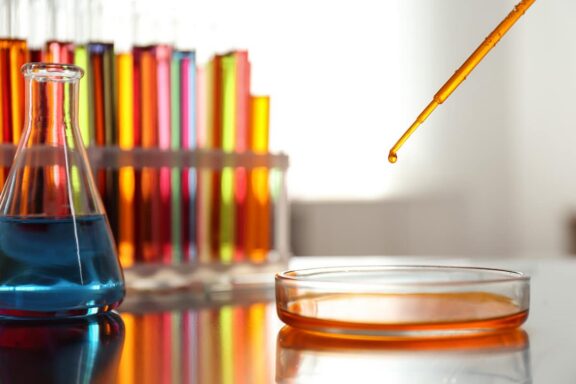
Clean laboratory glassware is essential for accurate measurements, reliable analysis and repeatable results. Choosing an appropriate cleaning method can also reduce the time and resources required to prepare glassware for reuse.
Why does laboratory glassware need thorough cleaning?
Residues and contaminants left on glassware can affect measurements and analytical results. Regular cleaning also helps prevent deposits from building up and supports the useful life of laboratory equipment and reusable containers.
What are the limitations of manual cleaning?
Manual washing gives operators direct control and may be suitable for particularly delicate items, but it can require significant time and effort. Results may also vary according to the operator and the complexity of the glassware.
Can ultrasonic cleaning be used for laboratory glassware?
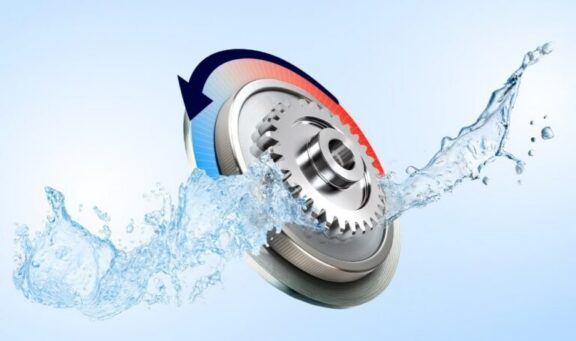
Ultrasonic cleaning provides an alternative for suitable glassware by immersing components in a cleaning solution and using high-frequency sound waves to create cavitation. This can help loosen contaminants in difficult-to-reach areas.
Choose a controlled cleaning process
The cleaning method should reflect the glassware, contaminants and required cleanliness level. Automated or ultrasonic systems can provide a more consistent process while reducing the amount of operator time spent on repetitive cleaning.
Clean glassware for reliable results
A consistent cleaning process helps laboratories prepare glassware efficiently while protecting the accuracy and repeatability of their work. Where appropriate, automated parts cleaning can form part of a controlled laboratory maintenance routine.