How Safetykleen Ensures Your Compliance
Industrial cleaning products play an essential role in removing oils, greases and production contaminants. However, traditional solvent-based cleaners can present significant health, safety and enviro…
Knowledge Hub
Press Release
Reading Time 5m
Categories
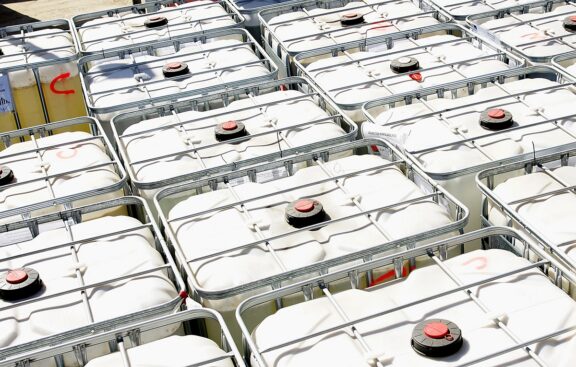
Cleaning parts and components is an essential part of many manufacturing and maintenance operations. However, the chemicals traditionally used for industrial cleaning can present significant health, safety and environmental risks. Corrosive substances, flammable solvents and hazardous vapours can endanger employees, disrupt operations and expose businesses to substantial financial and reputational damage.
As a result, many organisations are moving away from conventional cleaning methods and adopting safer, service-based parts washing solutions that deliver excellent cleaning performance while reducing risk.
Industrial environments inevitably generate contaminants such as oil, grease, metal swarf and process residues. These substances must be removed before products can be assembled, coated, inspected or shipped to customers.
Maintaining high standards of cleanliness is not only important for meeting customer requirements. Regular cleaning of tools, equipment and components also helps improve operational efficiency, reduce unplanned downtime and maintain consistent product quality.
While parts washing is a necessary process, it can be labour-intensive, costly and potentially hazardous if inappropriate cleaning methods or chemicals are used.
Many businesses still rely on manual cleaning methods involving rags, solvents and considerable manual effort. Although these approaches require little specialist equipment, they are often time-consuming, inconsistent and less effective at removing stubborn contaminants.
To improve cleaning performance, some organisations turn to stronger chemical agents. However, these products can introduce significant workplace risks.
Many traditional cleaning products contain volatile organic compounds (VOCs) and other potentially harmful substances. Exposure to these chemicals can cause:
Without adequate ventilation, training and personal protective equipment (PPE), employees may face increased health risks when handling these substances.
Many industrial solvents are highly flammable. This creates additional challenges around:
The presence of flammable chemicals can also influence insurance costs and increase the overall risk profile of a manufacturing site.
Workplace accidents can have serious consequences for both employees and businesses.
When incidents occur, the immediate concern is always the wellbeing of those involved. However, the wider business impact can also be significant.
Injured employees may require extended periods away from work, affecting productivity and placing additional pressure on colleagues. This can lead to reduced morale, increased workloads and further operational disruption.
In more serious cases, incidents involving hazardous chemicals can result in:
A major workplace accident can have lasting financial and operational consequences that extend far beyond the initial incident.
Modern parts washing solutions provide businesses with a safer and more efficient way to clean components while reducing the risks associated with traditional cleaning methods.
Rather than purchasing equipment and managing chemicals independently, companies can benefit from a fully managed service that includes the equipment, cleaning chemistry, maintenance and waste management required for effective operation.
Specialist providers such as Safetykleen have invested heavily in developing cleaning solutions that deliver exceptional results without many of the hazards associated with conventional solvents.
Safetykleen’s range of water-based, non-flammable and VOC-free cleaning fluids offers an effective alternative to traditional solvent cleaning.
Combined with advanced cleaning technologies, these solutions can remove a wide range of contaminants from different materials while helping companies reduce risks to employee health and safety.
A managed service model also reduces the need to store significant volumes of cleaning chemicals on-site.
During scheduled maintenance visits, cleaning fluids are replenished as required and waste materials are removed. This minimises storage requirements and helps reduce the risks associated with handling hazardous substances.
In addition, waste is collected and disposed of in accordance with applicable regulations, removing a significant administrative burden from customers.
All equipment is delivered, installed and commissioned by trained specialists. Operators receive the necessary training to use the equipment safely and effectively, while regular servicing helps ensure continued performance and compliance.
This proactive approach helps businesses maintain safe, efficient and reliable cleaning operations throughout the life of the equipment.
Employers have a legal responsibility to protect the health, safety and wellbeing of their workforce. However, investing in workplace safety offers benefits that extend well beyond regulatory compliance.
Companies that prioritise employee safety demonstrate a strong commitment to responsible business practices. This can help attract and retain talented employees while reinforcing the organisation’s reputation as a trustworthy and ethical employer.
Customers, investors and other stakeholders are also increasingly influenced by environmental, social and governance (ESG) performance when selecting suppliers and business partners.
Effective risk management helps reduce workplace incidents, minimise disruption and improve overall business resilience.
A structured approach to health and safety can also support the implementation of an Occupational Health and Safety Management System and contribute towards achieving ISO 45001 certification, which is widely recognised as the international standard for occupational health and safety management.
Investment in workplace safety can generate measurable financial returns through:
By preventing incidents before they occur, organisations can avoid many of the direct and indirect costs associated with workplace accidents.
Developing a strong safety culture is both a business responsibility and a commercial advantage. By reducing exposure to hazardous chemicals, minimising fire risks and implementing safer cleaning processes, organisations can create healthier workplaces while maintaining high cleaning standards.
For many companies, this is one of the key reasons for choosing a fully managed parts washing solution. By combining safer chemistry, professional servicing and comprehensive waste management, businesses can improve productivity, reduce risk and create a safer working environment for their employees.
At Safetykleen, helping customers achieve these goals is at the heart of everything we do.
Industrial cleaning products play an essential role in removing oils, greases and production contaminants. However, traditional solvent-based cleaners can present significant health, safety and enviro…
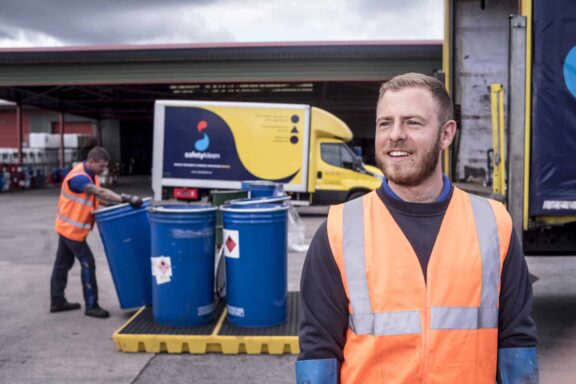
Safetykleen is proud to announce the reformulation of our KLEEN 7350 cleaning chemistry, making it safer for both people and the environment. The adaptation is part of our continued efforts to reduce…
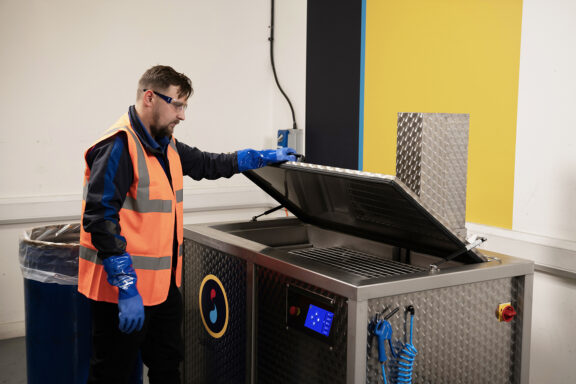
We are proud to announce the launch of the new Sonickleen Eco machine, an innovative machine that adopts the latest generation of ultrasonic technology for more efficient and advanced cleaning. This i…